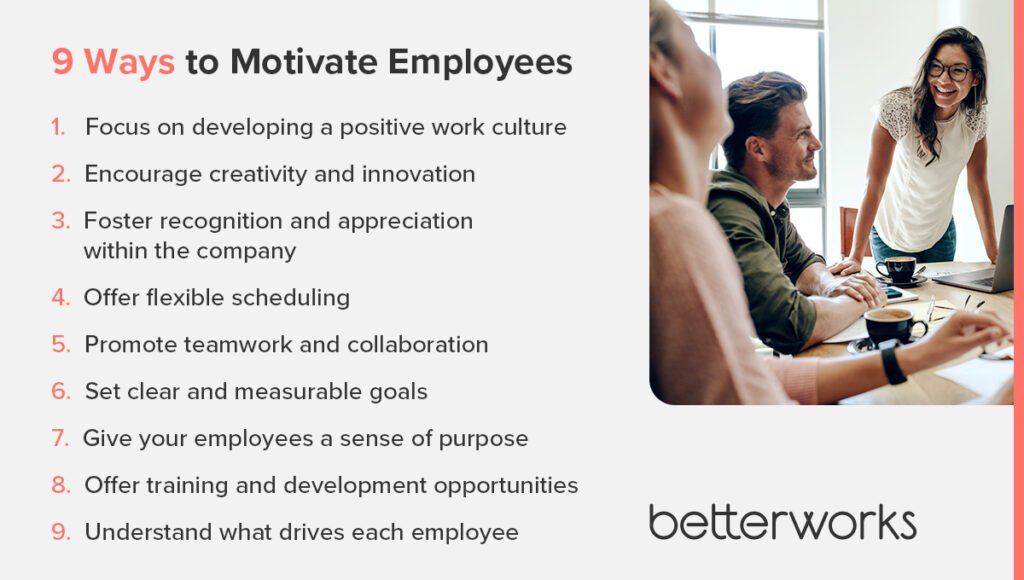
Think of your business as an engine. Skills are the parts, but motivation is the fuel. Without it, your team sputters, and performance stalls. That’s why it is important to motivate staff – it directly impacts your bottom line and the overall success of your company.
At a glance:
- Motivated staff are more productive, leading to higher profits.
- Employee motivation directly impacts retention rates, saving you money on recruitment.
- A motivated team fosters a positive work environment, attracting top talent.
- Recognizing and rewarding good work is a cornerstone of lasting motivation.
- Understanding individual employee needs is key to effective motivation strategies.
The Concrete Benefits of a Motivated Workforce
Why is it so important to motivate staff? Because the alternative is costly. A disengaged, unmotivated employee is less productive, more likely to leave, and can negatively impact team morale. This isn’t just about "feeling good"; it's about hard numbers.
- Increased Productivity: Motivated employees are naturally more productive. They're more likely to go the extra mile, meet deadlines, and produce higher-quality work. Studies show that motivated employees demonstrate a 21% increase in profitability.
- Improved Retention: It costs a significant amount to recruit, hire, and train new employees. Motivated employees are more likely to stay with your company, reducing turnover costs. Companies with high employee engagement experience 59% less attrition.
- Enhanced Culture: Motivation breeds positivity. When employees are motivated, they contribute to a more positive and collaborative work environment making it easier to attract and retain talent.
- Better Customer Service: Happy employees lead to happy customers. Motivated employees are more likely to provide excellent customer service, resulting in increased customer satisfaction and loyalty.
- Innovation & Creativity: A motivated team is more likely to share ideas, experiment with new approaches, and contribute to innovation, and develop creative solutions to problems.
Intrinsic vs. Extrinsic: Understanding Motivation's Two Sides
Employee motivation isn't a one-size-fits-all concept. It's generally categorized into two main types: intrinsic and extrinsic.
- Intrinsic Motivation: This comes from within. It's the satisfaction an employee gets from the job itself, the sense of accomplishment, and the feeling of making a difference. Examples include:
- A software developer who loves solving complex coding problems.
- A teacher passionate about helping students learn.
- An artist finding fulfillment in creating beautiful artwork.
- Extrinsic Motivation: This comes from external rewards and incentives. It includes things like salary, bonuses, promotions, recognition, and benefits. Examples include:
- A sales representative motivated by commission.
- An employee striving for a promotion.
- A worker motivated by the opportunity for flexible work arrangements.
The most effective approach involves a blend of both. While extrinsic rewards can be a powerful initial motivator, fostering intrinsic motivation leads to more sustainable engagement and higher levels of performance.
Unlocking Motivation: Meeting Universal Employee Needs
While individual motivators vary, there are universal needs that, when met, significantly boost employee motivation. Addressing these needs is crucial for creating a work environment where employees feel valued, supported, and inspired to give their best.
Consider these key areas:
- Clarity: Employees need to understand clearly what’s expected of them. Ambiguity breeds frustration and reduces motivation. Example: Clearly define roles and responsibilities for each team member on a new project.
- Tools & Resources: Providing the necessary tools and resources enables employees to perform their jobs effectively. Example: Upgrade outdated software or provide better equipment.
- Strengths-Based Approach: Focus on leveraging employees' strengths. When people work in areas where they excel, they're naturally more motivated. Example: Identify employees with strong presentation skills and assign them roles that involve public speaking.
- Recognition & Appreciation: Regularly acknowledge and appreciate employees' contributions. Recognition is a powerful motivator. Example: Implement an "Employee of the Month" program or simply offer sincere verbal praise.
- Growth Opportunities: Employees want to see a path for growth and development within the organization. Example: Offer training programs, workshops, or mentorship opportunities.
- Feeling Heard: Create a culture where employees feel comfortable sharing their ideas and concerns. Example: Implement regular feedback sessions or conduct employee surveys.
- Meaningful Work: Connect employees' work to the bigger picture and help them understand how their contributions make a difference. Example: Explain how a specific project will impact the company's overall goals.
- Excellence: Set high standards and encourage employees to strive for excellence. Example: Provide clear examples of high-quality work and offer constructive feedback.
- Belonging: Foster a sense of community and belonging within the workplace. Example: Organize team-building activities or create employee resource groups.
- Feedback: Provide regular and constructive feedback to help employees improve their performance and grow professionally. Example: Schedule regular one-on-one meetings to discuss performance and career goals.
- Autonomy: Give employees autonomy and control over their work. Trust them to make decisions and manage their time effectively. Example: Allow employees to choose their work hours or work remotely.
- Trust: Build a culture of trust and respect. Trust empowers employees and encourages them to take risks and innovate. Example: Be transparent about company decisions and avoid micromanaging.
- Well-being: Prioritize employee well-being. Encourage employees to take breaks, maintain a healthy work-life balance, and seek support when needed. Example: Offer wellness programs or provide access to mental health resources.
- Caring Leadership: Show employees that you care about them as individuals. Get to know them, understand their goals, and provide support. Example: Ask employees about their families or hobbies.
Practical Playbook: Boosting Motivation in Real-Time
Motivation isn't a one-time fix; it's an ongoing process. Here's a practical playbook for building a consistently motivated team:
- Regular Check-ins: Schedule regular one-on-one meetings with each employee to discuss their goals, challenges, and motivation levels. Use this time to provide feedback, offer support, and celebrate successes.
- Recognition Programs: Implement a formal recognition program to acknowledge and reward employees for their contributions. This could include employee-of-the-month awards, spot bonuses, or public acknowledgements.
- Professional Development: Invest in professional development opportunities for your employees. This shows that you're invested in their growth and development, which can be a powerful motivator. Offer training courses, workshops, conferences, and mentorship programs.
- Flexible Work Arrangements: Offer flexible work arrangements, such as flexible hours or remote work options. This can help employees balance their work and personal lives, leading to increased job satisfaction and motivation.
- Open Communication: Foster open and transparent communication throughout the organization. Encourage employees to share their ideas, concerns, and feedback. This can help build trust and create a more collaborative work environment.
- Supportive Leadership: Lead with empathy and understanding. Provide support, guidance, and encouragement to your team members. Help them overcome challenges and reach their full potential.
- Positive Work Culture: Create a positive and supportive work culture where employees feel valued, respected, and appreciated. This can be achieved through team-building activities, social events, and a focus on positive reinforcement.
- Teamwork and Collaboration: Encourage teamwork and collaboration. When employees work together towards a common goal, they're more likely to feel motivated and engaged.
- Employee Empowerment: Empower employees to make decisions and take ownership of their work. Give them autonomy and control over their projects and responsibilities.
- Measure and Track: Use employee surveys and performance metrics to measure the effectiveness of your motivation strategies. Track key metrics, such as employee engagement, turnover rates, and productivity levels.
For a deeper dive into the frameworks that support motivation, Improve Team Performance Now.
Quick Answers: Common Questions About Employee Motivation
- Q: What if an employee is simply "unmotivated"?
- A: Dig deeper. Often, "unmotivated" is a symptom of something else: a skills gap, feeling undervalued, lack of clarity on expectations, or a mismatch between their values and the company's.
- Q: How can I motivate employees without increasing salaries?
- A: While compensation is important, recognition, growth opportunities, autonomy, and a positive work environment are often more powerful motivators long-term.
- Q: What if my attempts to motivate one employee demotivate others?
- A: Tailor your approach. What motivates one person might not motivate another. Understand individual needs and preferences. Communicate transparently about why certain decisions are made.
- Q: How do I measure employee motivation?
- A: Employee surveys are a great start (use a scale of 1-10). Also, track turnover rates, absenteeism, and internal promotion rates. Informal conversations and observation can also offer valuable insights.
Building a Motivated Future, One Step at a Time
Motivated staff aren't just "nice to have"; they're essential for business success. By understanding the different types of motivation, meeting universal employee needs, and implementing practical strategies, you can create a work environment where employees are engaged, productive, and committed to achieving their best. Start today by identifying one small step you can take to boost motivation within your team. Recognition? A quick check-in? Invest in one change and build from there.