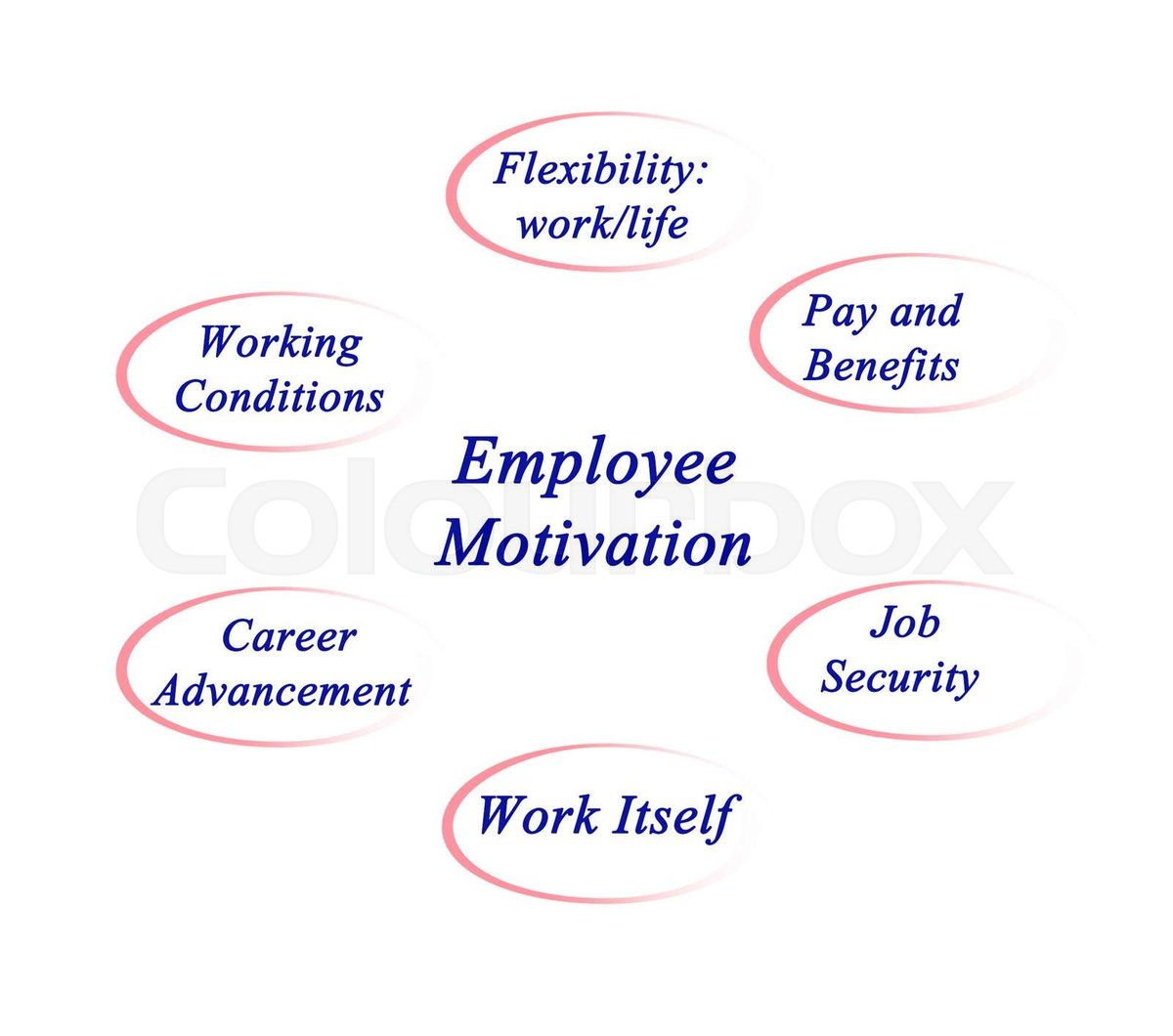
For the bigger picture and full context, make sure you read our main guide on Employee Motivation Article: What Truly Drives Your Teams Performance?.
markdown
Imagine a workplace buzzing with energy, ideas flowing freely, and everyone pulling together—that’s the power of a highly motivated team. The importance of employee motivation can't be overstated; it's the fuel that drives your business forward, impacting everything from productivity to customer satisfaction.
At a glance:
- Understand how motivated employees directly impact your bottom line.
- Learn about the key factors that contribute to employee motivation, beyond just salary.
- Discover practical ways to measure and improve motivation within your team.
- Identify common pitfalls that can kill motivation and how to avoid them.
- Gain actionable strategies for fostering a more engaged and productive work environment.
The Bottom-Line Impact of a Motivated Workforce
Why should you care about employee motivation? Because it’s directly linked to business success. Consider these benefits:
- Increased Productivity: Motivated employees are more efficient and effective, leading to higher output.
- Reduced Absenteeism and Turnover: When people are engaged and fulfilled, they're less likely to call in sick or look for another job.
- Enhanced Creativity and Innovation: A motivated team is more likely to brainstorm new ideas and find creative solutions to problems.
- Improved Customer Satisfaction: Happy employees translate to happy customers. Motivated employees provide better service and build stronger relationships.
Think of Zappos. Their legendary customer service isn’t just the result of training; it’s driven by a company culture that prioritizes employee happiness and empowers them to go the extra mile. This, in turn, creates loyal customers who rave about their experiences.
Intrinsic vs. Extrinsic: Understanding the Motivation Equation
Not all motivation is created equal. It's crucial to understand the two primary types:
- Intrinsic Motivation: This comes from within. It's the satisfaction derived from the work itself, a sense of purpose, or opportunities for growth. Think of a software developer who loves to solve complex problems, or a teacher passionate about helping students learn.
- Extrinsic Motivation: This involves external rewards like salary, benefits, bonuses, and promotions. While effective in the short term, relying solely on extrinsic motivators can be unsustainable.
The most effective approach combines both. Offer competitive compensation, but also focus on creating a work environment that fosters intrinsic motivation. Here are a few options, depending on the surrounding context: * Motivate Your Team Effectively * Unlock Team Performance * Boost Employee Motivation Now * Drive Team Performance Guide * Understand Employee Motivation for a deeper dive into motivation strategies.
The Manager's Role: Cultivating a Motivating Environment
Managers are key to unlocking employee motivation. Here's how they can make a difference:
- Recognition and Rewards: Acknowledge and appreciate employees' contributions. Tailor rewards to individual preferences – some might value public praise, while others prefer a gift card or extra time off.
- Growth and Development: Provide opportunities for training, mentorship, and skill development. Show employees that you're invested in their future.
- Positive Work Culture: Foster a culture of respect, open communication, and teamwork. Encourage collaboration and create a safe space for employees to share ideas.
- Work-Life Balance: Support employees in balancing their work and personal lives. Offer flexible work arrangements and wellness programs to promote their overall well-being.
Example: A small marketing agency implemented "Flex Fridays," allowing employees to work remotely on Fridays. This simple change significantly boosted morale and reduced stress levels.
Measuring Employee Motivation: Knowing Where You Stand
You can't improve what you don't measure. Here's a simple multi-pronged approach to gauge motivation levels within your team:
- Employee Surveys & Feedback: Anonymous surveys, using a scale of 1-10, can reveal valuable insights. Ask questions like:
- "How engaging is your work?"
- "How meaningful is your work?"
- "How satisfied are you with the opportunities offered at your job?"
- Performance Metrics: Track key metrics that reflect motivation:
- Turnover rate: A high turnover rate can indicate dissatisfaction.
- Absenteeism: Frequent absences can signal disengagement.
- Internal promotion rates: Opportunities for advancement boost motivation.
- Observation & Informal Chats: Observe employee behavior and have casual conversations. Are they enthusiastic and proactive, or withdrawn and disengaged?
Clark & Saxberg's Motivation Killers: Avoiding Common Pitfalls
Professors Clark and Saxberg identified four key reasons why good employees lose their motivation. Understanding these pitfalls is crucial for preventing them:
- Values Mismatch: The employee doesn't connect with the task's value. Solution: Clearly explain the purpose and impact of their work.
- Lack of Self-Efficacy: The employee fears they can't perform the task. Solution: Provide adequate training, support, and encouragement.
- Disruptive Emotions: Negative emotions overwhelm the employee. Solution: Create a supportive environment where employees feel comfortable expressing concerns.
- Attribution Errors: Misinterpreting the causes of success/failure. Solution: Provide constructive feedback and help employees learn from their mistakes.
Self-Determination Theory: Fueling Intrinsic Drive
Self-Determination Theory (SDT) posits that humans are driven by three core psychological needs:
- Competence: Feeling confident and effective in their abilities. To foster this, provide opportunities for skill development and challenging assignments.
- Autonomy: Feeling a sense of control and choice over their work. Empower employees to make decisions and manage their time.
- Social Relatedness: Feeling connected to and supported by their colleagues. Encourage teamwork, collaboration, and a sense of belonging.
Addressing these needs can significantly enhance intrinsic motivation and lead to a more engaged workforce.
The Power of Prosocial Motivation
Don't underestimate the power of prosocial motivation – the desire to contribute to the well-being of others. When employees feel their work is making a difference, they're more likely to be motivated. For example, highlighting how a product improves customers' lives or how a service benefits the community can tap into this powerful motivator.
Quick Answers: Addressing Common Questions About Employee Motivation
Q: Is money the only motivator?
A: No. While competitive compensation is important, it's not the only factor. Opportunities for growth, recognition, a positive work environment, and a sense of purpose are all crucial for long-term motivation.
Q: How can I motivate a team that's already burned out?
A: Start by addressing the root causes of the burnout. This might involve reducing workload, providing more support, or offering opportunities for time off. Focus on rebuilding trust and creating a more sustainable work environment.
Q: What's the best way to recognize employees?
A: Tailor recognition to individual preferences. Some employees appreciate public praise, while others prefer a private thank-you note or a small gift. The key is to be genuine and specific in your appreciation.
Your Motivation Playbook: A Quick Start Guide
Ready to boost employee motivation? Here’s a simple plan to get started:
- Assess: Conduct an employee survey to gauge current motivation levels.
- Identify: Pinpoint areas for improvement based on the survey results and observations.
- Implement: Introduce strategies to address the identified areas, such as providing more training, offering flexible work arrangements, or implementing a recognition program.
- Monitor: Track key metrics like turnover rate and absenteeism to measure the impact of your efforts.
- Adjust: Continuously evaluate and refine your strategies based on the results.
The importance of employee motivation isn't just a HR buzzword; it's a critical driver of business success. By understanding the factors that influence motivation and implementing strategies to foster a more engaged workforce, you can unlock your team's full potential and achieve remarkable results.