For the bigger picture and full context, make sure you read our main guide on How to Motivate Employees for Greater Workplace Productivity.
Struggling to keep your team engaged and productive? The right rewards and recognition system isn't just about handing out bonuses; it's about fostering a culture where employees feel valued, understood, and driven to excel. Finding the best ideas to motivate employees can be tough with all of the noise in the market, let’s dive in.
At a glance:
- Learn to tailor reward systems that resonate with your team's individual needs and preferences.
- Discover creative, non-monetary recognition strategies that boost morale and strengthen team bonds.
- Uncover ways to align rewards with both individual and company goals for maximum impact.
- Understand how to implement feedback mechanisms that enhance the effectiveness of your recognition programs.
- Identify common pitfalls in reward and recognition programs and how to avoid them.
Why Rewards and Recognition Matter
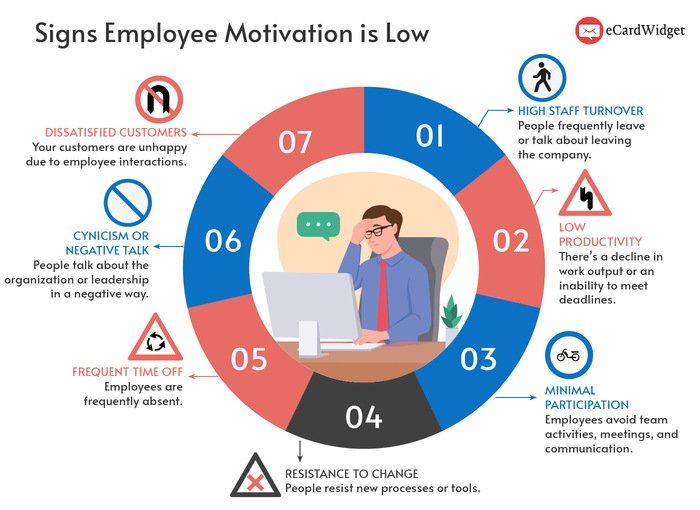
Employee motivation impacts everything from your bottom line to employee retention. Studies show motivated employees are more productive, innovative, and committed to their work. Simple acts can create a better work environment. Appreciation, a positive work environment, and valuing the work of employees are all major factors to consider. Recognition validates their value, while rewards provide tangible incentives to reach new heights.
Tailoring Rewards to Individual Needs
One-size-fits-all reward systems often fall short. To maximize impact, tailor your approach to individual employee preferences.
- Understand individual interests: A junior developer passionate about open-source projects might appreciate a company-sponsored contribution to a project, whereas a sales manager focused on career advancement may prefer a leadership training program. ScienceofPeople.com suggests using personality tests and one-on-one meetings to better gauge individual preferences.
- Offer choices: Instead of a generic gift card, offer a catalog of rewards, allowing employees to select what matters most to them. This could include extra vacation days, high-end electronics, or donations to their favorite charity.
- Consider generational differences: Younger employees may prioritize experiences and flexibility, while older employees may value financial security and stability. Tailor your rewards packages accordingly.
- Example: A software company allows employees to choose between a bonus, additional paid time off, or a contribution to their retirement account.
Beyond Money: Non-Monetary Recognition Strategies
While financial incentives are important. Non-monetary rewards can have a more profound and lasting impact on employee motivation and loyalty.
- Public acknowledgment: Regularly recognize employees' achievements within the team or across the company - use internal newsletters or team meetings. This can reinforce positive behaviors and inspire others.
- Example: Highlight an employee's successful project completion and exceptional customer service in the company's weekly all-hands meeting.
- Opportunities for growth: Invest in employee development through training programs, conferences, or mentorship opportunities. This demonstrates a commitment to their long-term career growth.
- Flexible work arrangements: Offer flexible work hours or remote work options to provide employees with greater control over their work-life balance.
- Example: A marketing agency celebrates small wins by hosting a "pizza party" lunch for the team, acknowledging achievements and creating a relaxed atmosphere.
Aligning Rewards with Goals
Rewards and recognition should directly support the achievement of both individual and company goals.
- Connect rewards to performance metrics: Clearly define the metrics that will be used to evaluate performance and link rewards to the achievement of those metrics.
- Example: A call center ties bonuses to customer satisfaction scores and call resolution rates.
- Involve employees in goal setting: Let employees participate in setting their own goals. This fosters a sense of ownership and increases their commitment to achieving those goals, as highlighted by Forbes.
- Provide regular feedback: Ongoing feedback is essential for keeping employees on track and ensuring that rewards are aligned with desired outcomes.
- Example: A retail chain offers spot bonuses to employees who consistently exceed sales targets or receive positive customer feedback.
Feedback Mechanisms for Recognition Programs
Constantly seek feedback on your reward and recognition programs to ensure they remain effective and relevant.
- Conduct surveys: Regularly survey employees to gather feedback on their preferences and perceptions of the reward system.
- Hold focus groups: Conduct focus groups to gain more in-depth insights into employee experiences and areas for improvement.
- Track key metrics: Monitor metrics such as employee engagement, retention, and productivity to assess the overall impact of the reward system.
- Example: Following a new recognition program launch, a company runs a survey asking employees about their perception of fairness, relevance, and motivational impact.
Avoiding Common Pitfalls
Even well-intentioned reward and recognition programs can backfire if not implemented carefully.
- Perceived unfairness: Ensure that rewards are distributed fairly and consistently across the organization to avoid resentment and dissatisfaction.
- Lack of transparency: Communicate the criteria for receiving awards and recognition clearly to remove any ambiguity or suspicion.
- Overemphasis on competition: Avoid creating a highly competitive environment that can undermine collaboration and teamwork.
- Neglecting the basics: Remember that pay, benefits, and a positive work environment are foundational. Rewards cannot compensate for fundamental issues.
- Example: An organization introduces a complex points-based reward system, but fails to communicate the rules effectively, leading to confusion and frustration.
Practical Playbook: Implementing Effective Rewards
Here's a step-by-step guide to designing and implementing a reward and recognition program:
- Define objectives: Determine what you want to achieve with your program (e.g., increased sales, improved customer satisfaction, reduced turnover).
- Identify key metrics: Select the metrics that will be used to measure progress towards your objectives.
- Gather employee input: Survey your employees to understand their preferences and needs.
- Design the program: Develop a reward system that is aligned with your objectives, metrics, and employee preferences.
- Communicate the program: Clearly communicate the program to your employees, including the criteria for receiving rewards and recognition.
- Implement the program: Launch the program and track its effectiveness.
- Evaluate and adjust: Regularly evaluate the program and make adjustments as needed to ensure that it remains effective and relevant.
And for further insights into strategic motivation, Boost Productivity with Our Guide.
Quick Answers: Your Questions Answered
Q: How often should employees be recognized?
A: Recognition should be frequent and timely. Don't wait for annual reviews. Regular, even informal, praise can have a significant impact. Aim for at least monthly recognition for small wins and quarterly or annual awards for larger achievements.
Q: What is the best way to recognize remote employees?
A: Remote employees can be recognized through virtual team meetings, company-wide emails, or personalized video messages. Send thoughtful gifts or offer virtual experiences. Be creative and use technology to bridge the distance.
Q: Are team-based rewards effective?
A: Team-based rewards can be effective, especially when collaboration is essential. Ensure that individual contributions are also recognized within the team setting to avoid free-riding.
Actionable Close: Start Small, Iterate Often
Don't feel pressured to overhaul your entire reward system overnight. Start with a small, targeted initiative and gradually expand as you learn what works best for your team. Regularly solicit feedback, track your results, and be prepared to adapt your approach. A culture of recognition is within reach, and the benefits are well worth the effort.