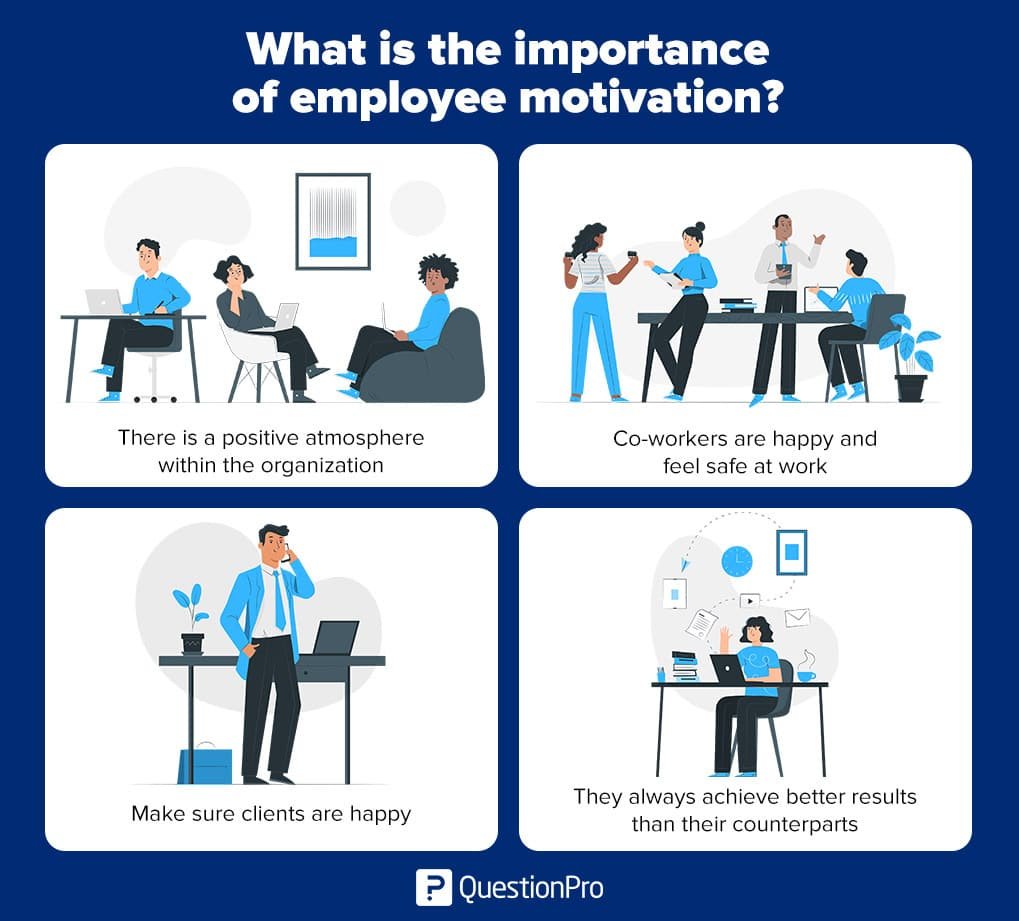
Figuring out how to motivate workers in the workplace isn't some soft skill – it's a core management responsibility that directly impacts your bottom line. A motivated team isn't just happier; it's more productive, innovative, and loyal. The good news is that boosting motivation isn't about grand gestures; it's about consistently applying proven strategies.
At a glance:
- Learn how understanding individual motivators can unlock hidden potential within your team.
- Discover specific tactics for providing effective feedback and recognition that resonates.
- Gain a clear framework for setting SMART goals that drive results and keep workers engaged.
- Understand how fostering a supportive and inclusive culture boosts morale and productivity.
- Get actionable tips for addressing common motivation challenges like high turnover and disengagement.
Beyond Perks: Understanding What Really Drives Your Team
Forget generic perks and one-size-fits-all approaches. How to motivate workers in the workplace effectively starts with understanding that everyone is driven by different things. What excites Sarah might bore David, and vice versa.
- Decision: Implement methods to identify individual motivators.
How to uncover individual motivators:
- Use Assessment Tools: Consider personality assessments or motivation questionnaires. These can provide valuable insights at scale, pointing you in the right direction for more in-depth conversations.
- Conduct 1-on-One Discussions: The most valuable insights will come from direct conversations. Ask open-ended questions about career aspirations, what they enjoy about their work, and what they find challenging.
- Observe Behavior: Pay attention to what energizes employees and what seems to drain them. Are they always eager to volunteer for certain projects? Do they seem disengaged during specific types of meetings?
- Use stay interviews: Similar to exit interviews, but instead of asking why they are leaving, ask what makes them stay.
Example: You might discover that an employee who’s always punctual and detail-oriented is primarily motivated by a sense of responsibility and achievement, while another who’s constantly brainstorming new ideas is driven by creativity and innovation.
Setting the Stage for Success: Clear Goals and Expectations
Vague goals are motivation killers. If employees don't understand what's expected of them or how their work contributes to the bigger picture, they're likely to become disengaged.
- Decision: Adopt the SMART framework for goal setting.
The SMART framework: - Specific: Define goals clearly and avoid ambiguity. Instead of "Improve customer satisfaction," try "Increase customer satisfaction scores by 10%."
- Measurable: Establish clear metrics for tracking progress. How will you know if the goal has been achieved?
- Achievable: Ensure goals are realistic and attainable. Setting impossible targets will only lead to frustration.
- Relevant: Align goals with the company's overall mission and strategic objectives. Employees need to understand why their work matters.
- Time-bound: Assign a clear deadline for achieving the goal. This creates a sense of urgency and accountability.
Pitfall: Don't just hand down goals from on high. Involve employees in the goal-setting process to increase buy-in and ownership.
The Power of Recognition and Feedback: Fueling the Motivation Engine
Consistent feedback and recognition are crucial for maintaining momentum. Employees need to know that their efforts are valued and that they're on the right track. Learn employee motivation strategies Here are a few options, depending on the context: * Boost employee motivation now * Learn employee motivation strategies * Unlock productivity with motivation * Motivate your team effectively * Drive workplace productivity insights to keep your team engaged and productive.
- Decision: Implement a system for providing regular feedback and recognition.
Tactics for effective feedback and recognition:
- Provide Continuous Feedback: Don't wait for annual performance reviews. Offer regular feedback – both positive and constructive – in one-on-one meetings and informal conversations.
- Be Specific: General praise is nice, but specific feedback is more impactful. Instead of saying "Good job," try "Your presentation was excellent. I especially appreciated how you clearly explained the complex data."
- Offer a Variety of Rewards: Recognition doesn't always have to be monetary. Consider offering bonuses, awards, thank-you notes, verbal praise, or even small gestures like bringing in coffee for the team.
- Milestone Celebrations: Acknowledge significant achievements and milestones. This could be a team lunch, a company-wide announcement, or a small gift.
- Tie Rewards to Performance: Make sure that rewards are directly linked to performance. This reinforces desired behaviors and motivates employees to continue striving for excellence.
Case Snippet: A small software company implemented a "Kudos" system where employees could publicly recognize each other for going above and beyond. This simple initiative led to a significant increase in morale and teamwork.
Cultivating a Supportive and Inclusive Culture: Where Motivation Thrives
A toxic work environment can quickly drain motivation, no matter how high the pay or how exciting the work. Fostering a supportive and inclusive culture is essential for maintaining a motivated workforce.
- Decision: Prioritize creating a workplace where everyone feels valued, respected, and supported.
Key elements of a supportive culture:
- Positive Language: Use positive and encouraging language in all communications. Avoid negativity and criticism.
- Celebrate Achievements: Regularly celebrate team and individual accomplishments. This creates a sense of camaraderie and shared success.
- Balance Negative Topics: When addressing negative issues, be sure to balance them with positive aspects and solutions.
- Lead by Example: As a manager, your behavior sets the tone for the entire team. Actively participate in tasks, avoid micromanaging, be adaptable and empathetic, and actively listen to your employees.
- Promote Diversity, Equity, and Inclusion (DEI): Provide diversity training, use inclusive language, and adopt diverse hiring practices. Consider Employee Resource Groups (ERGs) to support different employee communities.
Addressing Common Motivation Challenges: A Proactive Approach
Even with the best strategies in place, you'll inevitably encounter challenges that can impact employee motivation. It is important to have a strategy for dealing with these common problems.
- Decision: Develop proactive strategies for addressing common motivation challenges.
Common challenges and solutions: - High Turnover: Conduct exit interviews to understand the reasons why employees are leaving. Use this feedback to identify areas for improvement.
- Disengaged Employees: Create a motivating work environment with a culture of continuous improvement and belonging. Encourage open communication and provide opportunities for growth and development.
- Burnout: Encourage employees to take breaks, use their vacation time, and offer flexible work arrangements. Promote work-life balance and provide resources for managing stress.
- Lack of Recognition: Implement a formal recognition program to acknowledge and reward employee contributions. Give regular feedback and praise, both publicly and privately.
Practical Playbook: Quick Start
Here’s a quick-start guide to get your motivation efforts off the ground:
- Schedule 1:1s: Conduct brief, focused check-ins with each team member in the next two weeks.
- Ask 'Motivation' Questions: Prepare 2-3 questions about their goals, challenges, and sources of inspiration.
- Note Patterns: Look for common themes in their responses.
- Start Small: Pick one or two easily implementable ideas from their feedback (more autonomy, cross-training, clearer feedback).
- Communicate Changes: Clearly announce the changes and why they're happening.
- Track and Adjust: Monitor the impact of these changes on team morale and productivity.
Quick Answers: FAQs About Motivating Workers
Q: How important is money in motivating employees?
A: While competitive compensation is important, it's not the sole motivator. Once employees feel fairly compensated, factors like recognition, growth opportunities, and a positive work environment become more significant.
Q: What if I have team members who seem impossible to motivate?
A: First, ensure you've explored their individual motivators and addressed any underlying issues (e.g., lack of clarity, skill gaps). If you've tried everything and the employee remains disengaged, it may be a performance issue that requires disciplinary action.
Q: How can I motivate remote workers?
A: Remote workers need extra attention and connection. Increase communication, use video conferencing for meetings, and provide opportunities for virtual team-building activities.
Q: Isn't motivation an HR issue?
A: While HR can provide resources and support, motivating employees is ultimately a manager's responsibility.
Now Start Motivating
Mastering how to motivate workers in the workplace isn't about a single initiative, it’s a consistent way to engage with your team. Use the strategies outlined here, and remember that the most effective approach is tailored to your specific team and context. Start with small, actionable steps, track your progress, and be prepared to adapt as needed. Your effort will directly translate to a more productive, engaged, and successful workforce.