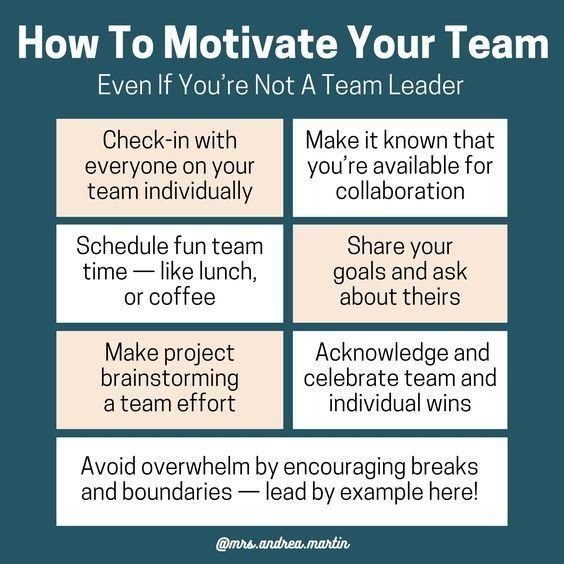
Feeling like your team's energy is lagging? Understanding how to motivate teammates is more than just pep talks; it's about creating an environment where everyone feels valued, understands their purpose, and is driven to contribute their best. This guide provides actionable strategies to ignite enthusiasm and boost productivity within your team.
At a glance:
- Discover how individual motivators impact team performance.
- Learn how clear communication and achievable goals drive engagement.
- Master the art of providing effective feedback and recognition.
- Explore team-building activities that foster collaboration and morale.
- Understand how to address workplace challenges and promote work-life balance.
Unlocking Individual Potential: The Key to a Motivated Team
One-size-fits-all motivation simply doesn't work. The first step in learning how to motivate teammates is recognizing that each person is driven by different factors. What inspires one team member might completely miss the mark for another.
Actionable Steps:
- Conduct Individual Assessments: Use personality assessments (like DISC or Myers-Briggs) or motivation-specific questionnaires to gain insights into what truly drives each team member. These aren't definitive, but they offer valuable starting points.
- Hold One-on-One Discussions: Schedule regular meetings to discuss career goals, challenges, and what makes them excited about their work. Ask open-ended questions like, "What aspects of your job do you find most rewarding?" and "What kind of support do you need to excel?"
- Document and Track Motivators: Keep a record of each team member's motivators (e.g., public recognition, opportunities for learning, increased autonomy) to tailor your approach accordingly.
- Example: Sarah thrives on public recognition, while David prefers opportunities to develop new skills. For Sarah, highlight her contributions in team meetings. For David, offer him a chance to lead a new project or attend a relevant training.
Setting the Stage for Success: Clear Goals and Open Communication
Ambiguity breeds apathy. When team members don't understand their roles, responsibilities, or how their work contributes to the bigger picture, motivation plummets. Clarity and open communication are essential.
Goal Setting with SMART Framework:
- Specific: Instead of "Improve customer satisfaction," try "Increase customer satisfaction scores by 10% in Q3."
- Measurable: Track progress using specific metrics (e.g., customer satisfaction scores, number of completed projects, sales revenue).
- Achievable: Ensure goals are realistic and within the team's capabilities. Don't set them up for failure.
- Relevant: Align team goals with the overall organizational mission. Explain why their work matters.
- Time-bound: Set clear deadlines and milestones. "Complete the project by October 31st" is much more effective than "Complete the project soon."
Communication Strategies: - Regular Team Meetings: Provide updates on company performance, project progress, and any relevant changes. Allocate time for Q&A to address concerns and encourage feedback.
- Transparent Communication Channels: Use tools like Slack or Microsoft Teams to facilitate open communication and collaboration.
- Active Listening: Encourage team members to voice their ideas and concerns, and actively listen to their perspectives. Show them that their input is valued.
- Example: During a team meeting, share the company's quarterly revenue targets and explain how each team's contributions directly impact those goals. Encourage team members to share their ideas for improving performance.
Fueling Performance: Feedback, Recognition, and Growth
Motivation thrives on positive reinforcement and opportunities for growth. Providing regular feedback, recognizing achievements, and supporting career development are vital for keeping your team engaged.
Giving Effective Feedback:
- Timely: Provide feedback as soon as possible after an event or action.
- Specific: Focus on specific behaviors or outcomes, not generalities. Instead of "You need to improve your communication skills," try "During the presentation, speaking more slowly and clearly would have improved understanding."
- Constructive: Frame feedback in a way that encourages improvement, not discouragement. Focus on solutions and opportunities for growth.
- Balanced: Highlight both strengths and areas for improvement.
- Example: After a team member successfully closed a major deal, send a personalized thank-you note acknowledging their hard work and dedication. During a one-on-one meeting, provide specific feedback on their negotiation skills and suggest areas for development.
Celebrating Success: - Verbal Praise: A simple "thank you" or "great job" can go a long way.
- Written Recognition: Send thank-you notes or emails acknowledging specific contributions.
- Public Recognition: Highlight achievements in team meetings or company newsletters.
- Rewards and Incentives: Offer bonuses, gift cards, or other rewards for outstanding performance.
- Milestone Celebrations: Celebrate team milestones, such as completing a major project or reaching a sales goal.
- Example: Create a "Team Member of the Month" award to recognize outstanding contributions. Celebrate project milestones with team lunches or social events.
Supporting Career Development: - Discuss Career Goals: Have regular conversations with team members to understand their career aspirations.
- Provide Training and Mentorship Opportunities: Offer opportunities to develop new skills and knowledge through training programs, workshops, or mentorship programs. Platforms like Together Software facilitate formal mentoring.
- Promote from Within: Whenever possible, promote qualified team members to leadership positions.
- Delegate Challenging Tasks: Provide opportunities for team members to take on new responsibilities and expand their skill sets.
- Example: Offer to pay for a team member to attend a conference or workshop related to their field. Pair a junior team member with a senior mentor to provide guidance and support.
Understanding individual motivators, clear communication, feedback, and recognition are some of the key strategies in Boost Employee Productivity.
Building a Stronger Bond: Team-Building Activities
Team-building isn't just about fun and games; it's about fostering collaboration, communication, and trust. Well-designed team-building activities can improve morale, strengthen relationships, and boost overall team performance.
Types of Team-Building Activities:
- Problem-Solving Challenges: Activities that require the team to work together to solve a problem.
- Creative Exercises: Activities that encourage creativity and innovation, such as brainstorming sessions or design thinking workshops.
- Social Events: Informal gatherings that allow team members to connect on a personal level, such as team lunches, happy hours, or volunteer events.
- Virtual Activities: Online games, trivia, or virtual escape rooms for remote teams.
- Example: Organize a team-building event where team members work together to build a structure out of limited resources. Host a virtual trivia night with questions related to the company and team members' interests.
Key Considerations: - Tailor Activities to Your Team: Choose activities that align with your team's interests and personalities.
- Ensure Inclusivity: Make sure all team members can participate and feel comfortable.
- Set Clear Objectives: Define the goals of the activity and communicate them to the team.
- Facilitate Discussion: After the activity, facilitate a discussion about what the team learned and how they can apply those lessons to their work.
Overcoming Obstacles: Addressing Challenges and Promoting Well-being
Even the most motivated teams face challenges. Addressing workplace issues and promoting work-life balance are crucial for maintaining a positive and productive environment.
Addressing Workplace Challenges:
- Identify the Root Cause: Conduct surveys, interviews, or focus groups to understand the underlying issues.
- Develop Solutions: Work with the team to develop solutions that address the root causes of the challenges.
- Implement Changes: Implement the agreed-upon solutions and monitor their effectiveness.
- Example: If team members are feeling overwhelmed by their workload, explore ways to redistribute tasks, streamline processes, or provide additional resources.
Promoting Work-Life Balance: - Offer Flexible Scheduling: Allow team members to adjust their work hours or work remotely when possible.
- Encourage Clear Boundaries: Encourage team members to disconnect from work after hours and during weekends.
- Implement Wellness Programs: Offer programs that promote physical and mental health, such as gym memberships, mindfulness workshops, or stress management training.
- Example: Implement a policy that prohibits sending emails after 7 pm. Offer employees access to an Employee Assistance Program (EAP) that provides confidential counseling and support.
A Playbook for Motivating Teammates: Quick Steps
Here's how to translate the above insights into immediate action.
- Assess Individual Motivators: Send out a quick survey to gauge what drives each team member. (Example: "On a scale of 1-5, how much do you value public recognition?")
- Schedule 1:1s: Meet with each team member to discuss their goals, challenges, and what they need to thrive.
- Implement Small Recognition: Publicly acknowledge a recent accomplishment of a team member in the next team meeting.
- Offer a Skill-Building Opportunity: Share a relevant online course or training resource with a team member based on their development goals.
- Plan a Team Activity: Brainstorm potential team-building activities and survey the team to choose one.
Quick Answers: FAQs on Motivating Teammates
- Q: What if I have a team member who seems completely unmotivated?
- A: Start with empathy. Try to understand the underlying reasons for their lack of motivation. Is it a lack of clarity, a mismatch of skills, or personal issues impacting their work? Open communication is key. If performance doesn't improve, consider a performance improvement plan (PIP) with clear, measurable goals.
- Q: How can I motivate a remote team?
- A: Remote teams require proactive effort. Prioritize clear communication, use collaboration tools effectively, and schedule regular virtual social events to foster connection. Focus on outcomes and trust your team members to manage their time effectively.
- Q: What's the best way to deal with conflict within the team?
- A: Address conflict promptly and fairly. Facilitate open communication and encourage team members to find mutually agreeable solutions. If necessary, mediate the conflict or seek assistance from HR.
- Q: Isn’t money the biggest motivator?
- A: While competitive compensation is important, it's not the only motivator. Studies show that factors like recognition, growth opportunities, and a positive work environment are often more powerful drivers of long-term motivation. Forbes notes leveraging both financial and non-financial rewards to drive motivation.
- Q: How often should I provide feedback?
- A: Aim for ongoing, regular feedback, not just during annual performance reviews. Frequent, informal check-ins allow you to provide timely guidance and address issues before they escalate.
Sparking Lasting Enthusiasm: Your Next Steps
Motivating teammates isn't about magic tricks; it's about creating a supportive and empowering environment where everyone can thrive. By understanding individual motivators, setting clear goals, providing regular feedback, and fostering a positive team culture, you can unlock your team's full potential and achieve remarkable results. Take the first step today – start with a simple conversation, implement one small change, and watch the ripple effect of increased enthusiasm and productivity.