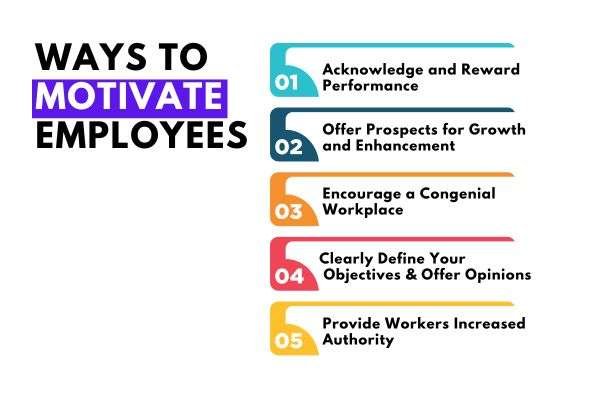
Frustrated by stagnant productivity? The secret isn't longer hours, but understanding how to motivate employees for better performance. When your team feels genuinely driven, performance naturally soars.
At a glance:
- Discover how transparent communication builds trust and boosts engagement.
- Learn to set crystal-clear goals that empower, not overwhelm.
- Uncover the power of recognition and rewards tailored to individual team members.
- Understand how mentoring programs can foster growth and loyalty.
- Address common motivation roadblocks like high turnover and disengagement.
The Power of Open Communication and Clear Expectations
Forget top-down directives. The foundation of a motivated team rests on honest and transparent communication. When employees understand the "why" behind their tasks, they're more invested in the "how."
How it works:
- Regular updates: Keep your team informed about company performance, strategic shifts, and upcoming changes. No one likes feeling left in the dark.
- Open-door policy: Encourage employees to share their thoughts, concerns, and ideas without fear of judgment.
- Active listening: Truly hear what your team members are saying – both verbally and nonverbally. This shows you value their input.
Combine this transparency with crystal-clear goals and expectations. Use the SMART framework (Specific, Measurable, Achievable, Relevant, Time-bound) to set targets that empower, not overwhelm. For example, instead of saying "Improve customer satisfaction," try "Increase our Net Promoter Score by 5 points by the end of Q3 through improved phone support responsiveness."
Example: A tech startup implemented weekly "all-hands" meetings where the CEO shared company financials and strategic updates. They also instituted a monthly anonymous feedback survey. Employee engagement scores jumped 20% within six months.
Continuous Feedback, Recognition, and Rewards: Fueling the Fire
Motivation isn’t a one-time fix; it requires ongoing attention. Continuous feedback and support are essential to keep employees focused and energized. Regular check-ins – both formal performance reviews and informal conversations – allow you to provide guidance, address concerns, and celebrate successes.
Think of feedback as a GPS for performance: It helps employees stay on course and adjust their approach as needed. Make sure feedback is specific, actionable, and delivered with empathy.
Recognition and rewards are powerful tools for reinforcing positive behaviors and boosting morale. These don't always have to be monetary. Small gestures like public praise, handwritten thank-you notes, or even a team lunch can go a long way.
Consider these reward examples:
- Performance bonuses: Tie bonuses to specific, measurable achievements.
- Personalized awards: Acknowledge individual contributions with awards that reflect their unique talents and interests.
- Milestone celebrations: Celebrate significant milestones – project completions, anniversaries, or personal achievements.
Mentoring Programs and a Supportive Culture
Investing in employee development is an investment in your organization's future. Mentoring programs provide employees with guidance, support, and opportunities for growth. Here are a few options, depending on the surrounding context: * Boost employee productivity now * Unlock greater workplace motivation * Motivate your team effectively * Improve employee performance * Increase workplace motivation. A well-structured program involves:
- Intentional matching: Pair mentors and mentees based on skills, experience, and career goals.
- Clear expectations: Define the roles and responsibilities of both mentors and mentees.
- Mentor training: Equip mentors with the skills and knowledge they need to be effective guides.
- Regular check-ins: Schedule regular meetings to track progress and address any challenges.
Beyond formal programs, cultivate a supportive culture where employees feel valued, respected, and empowered. This includes promoting teamwork, encouraging collaboration, and celebrating diversity.
Case Snippet: A large accounting firm launched a mentoring program targeting high-potential employees from underrepresented groups. Participants reported increased confidence, improved skills, and a stronger sense of belonging.
Leading by Example: The Power of Influence
Your actions speak louder than words. As a leader, you set the tone for your team. Embody the behaviors you want to see in your employees – involvement, trust, adaptability, empathy, and active listening.
Examples:
- Trust (avoiding micromanagement): Delegate tasks with clear expectations and empower employees to take ownership of their work.
- Adaptability: Embrace change and encourage your team to be flexible and resilient.
- Empathy: Show genuine concern for your employees' well-being and understand their perspectives.
- Active listening: Pay attention to what your team members are saying and respond thoughtfully.
When you lead by example, you inspire your employees to be their best selves.
Empowerment, DEI, and Career Development
Giving employees more say in their work increases their sense of ownership and motivation. Delegate tasks with clear expectations and provide the necessary resources and support. Encourage employees to take initiative and contribute their ideas.
Diversity, Equity, and Inclusion (DEI) initiatives are not just a moral imperative; they're a strategic advantage. Create an inclusive environment where all employees feel valued, respected, and supported. This includes:
- DEI training: Educate employees on diversity, equity, and inclusion issues.
- Inclusive language: Use language that is respectful and inclusive of all individuals.
- Diverse hiring practices: Implement strategies to attract and recruit a diverse talent pool.
- Employee Resource Groups (ERGs): Support employee-led groups that promote diversity and inclusion.
Finally, provide ample opportunities for growth and career development. This demonstrates that you're invested in your employees' long-term success.
Examples: - Career conversations: Discuss employees' career aspirations and create personalized development plans.
- Internal promotions: Prioritize internal candidates for open positions.
- Exploring new skills: Support employees who want to learn new skills or take on new challenges.
- Training and mentorship: Provide access to training programs and mentorship opportunities.
Team Building, Compensation, and Innovation
Foster camaraderie and boost morale through team-building activities. Tailor activities to your team's needs and interests, ensuring they're inclusive and enjoyable. Don't default to trust falls - get creative! Think escape rooms, volunteer days, or even a shared online gaming session.
Competitive compensation is essential for attracting and retaining top talent. Advocate for fair pay and address any pay discrepancies within your organization.
Compensation isn't just about the numbers; it's about value. When employees feel fairly compensated, they're more likely to be engaged and motivated.
Encourage innovation by creating a culture where employees feel safe to experiment, take risks, and share their ideas.
Tactics to encourage innovation:
- Design thinking workshops: Facilitate workshops where employees can brainstorm and develop innovative solutions.
- Cross-functional collaboration: Encourage collaboration between different departments and teams.
- Continuous learning: Provide opportunities for employees to learn about new technologies and trends.
Addressing Workplace Challenges
Even with the best strategies in place, you may encounter challenges like high employee turnover and disengaged employees.
High Employee Turnover: Conduct exit interviews to understand why employees are leaving and use this feedback to make improvements.
Disengaged Employees: Talk to them! Discover the root cause and address it. Is it lack of clarity, lack of purpose, lack of recognition, or something else?
Actively involve employees in shaping their work environment through suggestion boxes, digital platforms, surveys, and questionnaires. Their insights can be invaluable.
The Importance of Work-Life Balance
Preventing burnout is crucial for maintaining long-term motivation. Flexible scheduling, clear boundaries, and wellness programs (EAPs) can significantly improve employee well-being. Model healthy work-life balance yourself.
Don't let the pursuit of productivity come at the expense of your employees' health and happiness.
Practical Playbook: Quick Start
Ready to put these strategies into action? Here’s a quick start guide:
- Start with a pulse check: Conduct an anonymous survey to gauge employee motivation levels and identify areas for improvement.
- Implement one quick win: Choose one small change you can implement immediately, such as starting a weekly team huddle or sending a personalized thank-you note.
- Develop a long-term plan: Based on the survey results, develop a comprehensive plan to address key areas of concern and implement the strategies outlined above.
- Regularly Review & Adjust: Employee needs and motivations change. Continuously review the effectiveness of your strategies and adapt as needed.
Quick Answers: Common Questions
Q: What if I don’t have the budget for fancy rewards?
A: Recognition doesn't have to be expensive. A heartfelt thank-you, public praise, or a small token of appreciation can be just as effective. The key is to be genuine and specific.
Q: How do I motivate employees who are already high performers?
A: Challenge them with new opportunities, provide them with leadership roles, and give them opportunities to mentor others.
Q: What if my company culture is resistant to change?
A: Start small and build momentum. Focus on demonstrating the benefits of these strategies and getting buy-in from key stakeholders.
Q: How can I tell if my motivation strategies are working?
A: Track key metrics like employee engagement scores, productivity levels, and employee turnover rates.
Actionable Close
Motivating employees for better performance isn't a destination; it's an ongoing journey. By prioritizing open communication, clear expectations, recognition, and employee development, you can create a workplace where your team thrives. Start today, experiment with different approaches, and fine-tune your strategy based on what works best for your team. The results – increased productivity, improved morale, and a stronger bottom line – will be well worth the effort.