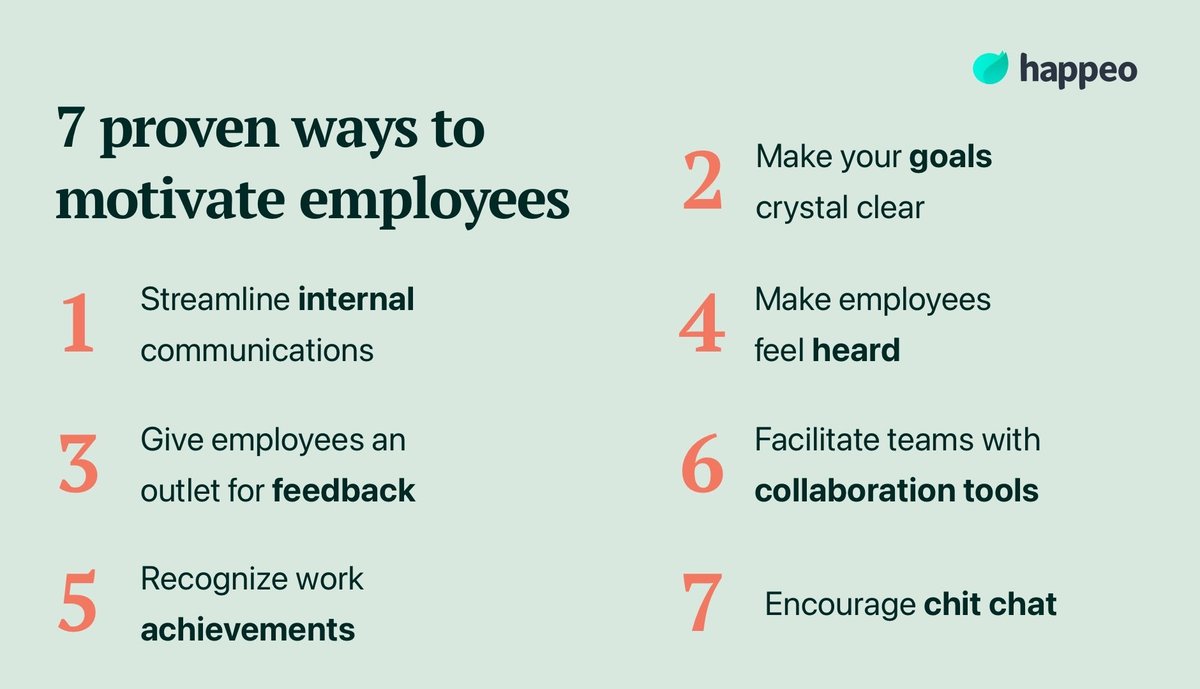
Imagine a workplace where every employee is genuinely excited to contribute, brimming with innovative ideas, and deeply committed to the company's success. That's the power of a motivated workforce, and understanding how to motivate employees is the key to unlocking it. This isn't just about feel-good initiatives; it's a strategic imperative that directly impacts your bottom line.
At a glance:
- Motivation is key for productivity, engagement, and employee retention.
- Both intrinsic and extrinsic factors play a crucial role.
- A positive work environment is foundational.
- Clear goals, recognition, and growth opportunities are essential.
- Empowerment and work-life balance drive motivation.
The Motivation Equation: Intrinsic vs. Extrinsic
Employee motivation isn't a one-size-fits-all solution. It's a complex blend of internal drive and external incentives. Think of it as an equation with two main variables: intrinsic and extrinsic motivation.
- Intrinsic motivation comes from within. It's the feeling of satisfaction derived from the work itself, a sense of accomplishment, or the joy of learning and growing.
- Extrinsic motivation is driven by external rewards, such as bonuses, promotions, recognition, or a positive work environment.
The most effective approach leverages both types of motivation to create a powerful and sustainable engine for employee engagement. You can ideas to inspire employees to find what suits your workforce.
Building a Foundation: Cultivating a Positive Work Environment
Before diving into specific strategies, it's crucial to lay the groundwork with a positive work environment. This is the bedrock upon which all other motivational efforts are built. Without it, even the most generous rewards will fall flat.
- Respect and Collaboration: Foster a culture where every voice is heard and valued. Encourage teamwork and collaboration, creating opportunities for employees to learn from each other.
- Open Communication: Transparency is key. Keep employees informed about company goals, performance, and any changes that may affect them.
- Sense of Belonging: Create a welcoming and inclusive environment where everyone feels accepted and supported. Consider initiatives that promote workplace friendships, like communal tables or interest groups.
Creating this environment is crucial. Many companies have looked to motivating employees in the workplace for advice.
Setting the Stage for Success: Clear Goals and Expectations
Ambiguity breeds confusion and demotivation. Employees need to know what's expected of them, how their work contributes to the bigger picture, and how their performance will be evaluated.
- SMART Goals: Set goals that are Specific, Measurable, Achievable, Relevant, and Time-bound. This provides clarity and direction.
- Regular Feedback: Provide frequent feedback, both positive and constructive. Let employees know how they're doing and where they can improve. Consider following up Boost Staff Morale: Ideas Here to let your employees know that they are seen and heard.
- Connect to the Big Picture: Clearly communicate how each employee's work contributes to the organization's overall mission and vision. This gives their work meaning and purpose.
The Power of Appreciation: Recognition and Feedback That Resonate
Everyone wants to feel valued and appreciated. Recognition and feedback are powerful tools for boosting morale and reinforcing positive behaviors.
- Acknowledge Effort: Don't just focus on results. Recognize and appreciate the effort and dedication that employees put into their work.
- Constructive Feedback: Frame constructive criticism in a positive and supportive way, focusing on growth and improvement. Try the "compliment sandwich" technique: positive feedback, constructive criticism, positive feedback.
- Public Recognition: Celebrate achievements publicly, whether through team meetings, company newsletters, or social media.
- Share the Love: Share positive customer reviews and thank-you notes with the team, highlighting the impact of their work.
Recognition doesn't always need to be a public spectacle. Some people prefer a private acknowledgement.
Giving Employees Control: Flexible Work Arrangements and Autonomy
In today's world, flexibility is highly valued. Offering flexible work arrangements and empowering employees to make decisions can significantly boost motivation and job satisfaction.
- Flexible Schedules: Allow employees to adjust their work schedules to better suit their needs, whether it's starting earlier, leaving later, or working remotely some days.
- Empowerment: Delegate responsibility and empower employees to make decisions about their work. This fosters a sense of ownership and accountability.
- Autonomy and Creativity: Encourage employees to take ownership of their projects and provide opportunities for them to come up with new ideas.
Teamwork Makes the Dream Work: Fostering Collaboration and Connection
Humans are social creatures. Encouraging teamwork, collaboration, and connection can create a more supportive and engaging work environment.
- Team-Building Activities: Organize regular team-building activities, both in and out of the office, to foster camaraderie and strengthen relationships.
- Idea Sharing: Create opportunities for employees to share ideas and collaborate on projects. This can lead to innovation and a sense of shared purpose.
- Promote Workplace Friendships: Encourage relationships between employees through communal tables, interest groups, or virtual chats.
You'll be glad you did. After all, how to motivate teammates often leads to success for the entire business.
Investing in Your People: Growth and Development Opportunities
Employees want to grow and develop their skills. Providing opportunities for professional development shows that you value their potential and are invested in their future.
- Training and Workshops: Offer training programs and workshops to help employees develop new skills and knowledge.
- Mentorship Programs: Pair experienced employees with less experienced ones to provide guidance and support.
- Professional Development: Provide free attendance for employees to relevant conferences or events.
- Job Advancement Opportunities: Offer clear career paths and opportunities for advancement to top performers.
The Foundation of Fairness: Transparent and Equitable Policies
Perceived unfairness can quickly erode motivation and lead to resentment. Establish clear and equitable policies for promotions, pay, and conflict resolution.
- Transparent Policies: Communicate all company policies clearly and ensure that they are applied consistently.
- Fair Compensation: Offer competitive salaries and benefits that reflect the skills and experience of your employees.
- Conflict Resolution: Establish a fair and impartial process for resolving conflicts.
Listening to Your Team: Employee Input and Continuous Feedback
Your employees are a valuable source of information. Encourage feedback through surveys and meetings, and value their insights.
- Employee Surveys: Conduct regular surveys to gather feedback on employee satisfaction, engagement, and areas for improvement.
- Regular Meetings: Hold regular team meetings to discuss progress, address concerns, and solicit feedback.
- Value Employee Insights: Act on employee feedback and show that you value their opinions, as how to motivate workers in the workplace.
Beyond the Basics: Innovative Motivation Strategies
While the fundamentals are crucial, exploring innovative strategies can further elevate employee motivation.
- Recognition Programs: Design programs to acknowledge desirable behaviors and objectives with incentives.
- Health and Wellness Challenges: Motivate your team to get moving at work with a fitness challenge.
- Celebrate Employee Birthdays: Simple but meaningful, acknowledging birthdays shows you care.
- Introduce and Welcome New Employees: Ensure new hires feel included by publicly welcoming them to the team.
- Model After Similar Companies: Research successful businesses for workplace culture inspiration.
Common Questions About Employee Motivation
- Is money the only motivator? No. While compensation is important, it's not the only factor. Intrinsic motivation, a positive work environment, and opportunities for growth are often more powerful drivers of long-term engagement.
- How can I motivate employees who seem unmotivated? Start by understanding the underlying reasons for their lack of motivation. Is it a lack of clarity, a feeling of being undervalued, or a lack of challenge? Address the root cause and tailor your approach accordingly.
- What if I can't offer raises or promotions? Focus on other forms of recognition and reward, such as public acknowledgement, opportunities for professional development, or flexible work arrangements.
Turning Motivation into Momentum: Actionable Steps You Can Take Today
Motivating employees isn't a passive activity; it requires proactive effort and ongoing attention. So, what can you do right now to start building a more motivated workforce?
- Start a Conversation: Talk to your employees about what motivates them. Ask them what they need to feel more engaged and valued.
- Implement One Small Change: Choose one easy-to-implement motivational strategy and put it into practice.
- Lead by Example: Show enthusiasm and passion for your work. Your energy will be contagious.
- Continually Evaluate and Adapt: Regularly assess the effectiveness of your motivational strategies and make adjustments as needed.
By implementing these strategies, you can how to motivate employees to do their best work while working for you and your company.
Ultimately, Boost Employee Motivation Now by creating a workplace where people feel valued, respected, and empowered to reach their full potential. It's not just about increasing productivity; it's about building a thriving and sustainable organization where everyone can succeed. Don't forget to how to keep employees motivated. You also want to Motivating Employees: Proven Techniques by providing growth opportunities to your team.