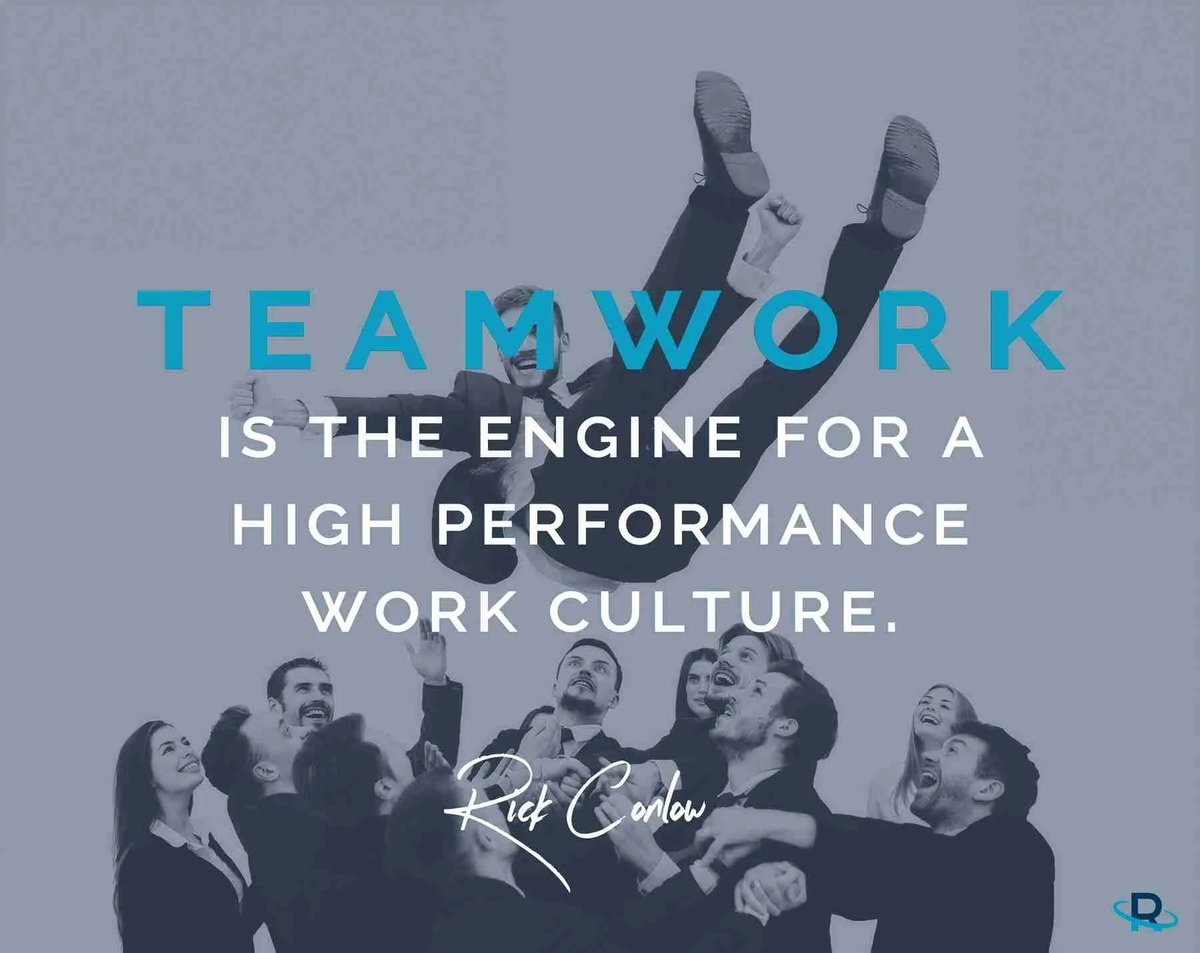
A disengaged team isn't just underperforming – it's a signal that something's broken. Learning how to inspire your team isn't about empty pep talks, but understanding fundamental human needs and creating an environment where your employees thrive. Let's explore actionable strategies to ignite their passion and commitment.
At a glance:
- Learn how to cultivate a culture that fosters intrinsic motivation, not just relying on short-term external rewards.
- Discover how to tap into the six core human needs identified by Tony Robbins to fuel engagement.
- Understand how to build trust, communicate effectively, and empower your team to take ownership.
- Explore how to balance accountability with empathy and create a positive work environment.
Beyond Perks: Understanding True Team Inspiration
Traditional motivational techniques often focus on extrinsic rewards – bonuses, promotions, or fancy perks. While these can provide a temporary boost, they rarely lead to sustained inspiration. True inspiration comes from within, from a sense of purpose, accomplishment, and connection. The goal is to tap into your team's intrinsic motivation, making work more than just a job. For a broader understanding of how this fits into overall employee motivation, check out Unlock productivity, motivate employees.
Intrinsic vs. Extrinsic Motivation: A Quick Comparison
| Feature | Extrinsic Motivation | Intrinsic Motivation |
|---|---|---|
| Source | External rewards (money, praise) | Internal satisfaction (purpose, growth) |
| Sustainability | Short-term | Long-term |
| Impact | Compliance | Commitment |
| Example | Sales bonus for exceeding quota | Feeling of accomplishment after solving a difficult problem. |
The Six Human Needs: A Framework for Inspiration
According to Tony Robbins, all human behavior is driven by six core needs: Certainty, Variety, Significance, Connection/Love, Growth, and Contribution. Understanding how these needs play out in the workplace is key to inspiring your team.
1. Certainty: Providing Stability and Clarity
Employees need to feel secure in their jobs and understand expectations.
- How to address it: Provide a clear vision, transparent communication, and regular feedback. Clearly defined roles and responsibilities also contribute to a sense of certainty.
- Example: Instead of vague instructions, provide a detailed project brief with specific goals, deadlines, and resources.
2. Variety: Keeping Things Fresh and Engaging
Boredom breeds disengagement. People crave novelty and stimulation.
- How to address it: Offer challenging assignments, job rotation, and opportunities to learn new skills. Encourage creative problem-solving.
- Example: Implement a "hackathon" where employees can dedicate time to exploring new ideas and technologies.
3. Significance: Recognizing Contributions and Value
Everyone wants to feel important and valued.
- How to address it: Recognize individual and team accomplishments publicly and privately. Provide opportunities for employees to showcase their expertise and contribute to important decisions.
- Example: Implement an "Employee of the Month" program that highlights outstanding contributions and achievements.
4. Connection/Love: Fostering Belonging and Teamwork
Humans are social creatures, and a sense of belonging is crucial for well-being and motivation.
- How to address it: Foster a positive and collaborative work environment. Encourage teamwork, social events, and opportunities for employees to connect on a personal level.
- Example: Organize team-building activities or social gatherings to promote camaraderie and strengthen relationships.
5. Growth: Supporting Learning and Development
People want to learn and grow, both personally and professionally.
- How to address it: Provide opportunities for training, mentorship, and career development. Encourage employees to set goals and pursue their passions.
- Example: Offer tuition reimbursement for employees who pursue relevant educational opportunities.
6. Contribution: Connecting Work to a Higher Purpose
Employees are more motivated when they believe their work makes a difference.
- How to address it: Communicate the company's mission and values clearly. Highlight the positive impact of their work on customers, the community, or the world.
- Example: Share customer testimonials or success stories that demonstrate the impact of the team's efforts.
Cultivating a Motivational Culture: It Starts at the Top
Inspiration isn't just about individual interactions; it's deeply intertwined with company culture. Leaders must actively shape a culture that fosters motivation and engagement.
Defining and Living Your Core Values
- Action: Clearly define your company's core values (e.g., integrity, innovation, collaboration) and integrate them into all aspects of the business, from hiring to performance reviews.
- Pitfall: Don't just pay lip service to your values. Ensure that they are reflected in your actions and decisions.
- Example: If "customer centricity" is a core value, empower employees to make decisions that benefit the customer, even if it means bending the rules.
Leading by Example: The Power of Authenticity
- Action: Demonstrate the behaviors you expect from your team. Be honest, transparent, and accountable for your actions. Show empathy and respect for others.
- Pitfall: Hypocrisy is a motivation killer. If you don't live up to your own standards, your team will lose faith in your leadership.
- Example: Admit mistakes publicly and take responsibility for your actions. This shows humility and builds trust.
Open Communication: Creating a Safe Space for Ideas and Feedback
- Action: Encourage open dialogue and create a safe space for employees to share their ideas, concerns, and feedback. Listen actively and respond thoughtfully.
- Pitfall: Don't dismiss or ignore employee feedback. Even if you can't implement every suggestion, acknowledge their concerns and explain your reasoning.
- Example: Conduct regular team meetings where employees can openly discuss challenges and brainstorm solutions.
The Accountability-Empathy Balance: A Tightrope Walk
| Aspect | Accountability Focused | Empathy Focused |
|---|---|---|
| Focus | Results, Performance | Well-being, Understanding |
| Communication | Clear expectations, Direct feedback | Active listening, Supportive language |
| When to use | Performance issues, Tight deadlines | Personal challenges, High-stress situations |
| Potential Pitfall | Can be perceived as harsh or uncaring | Can be perceived as lenient or lacking standards |
| The Balance | Clearly defined standards AND understanding individual needs |
Practical Playbook: Steps to Inspire Your Team
Here's a practical, step-by-step guide to implement these strategies:
- Assess Your Team's Needs: Conduct employee surveys, have one-on-one conversations, and observe team dynamics to identify their key motivators and challenges.
- Develop a Personalized Approach: Tailor your motivational strategies to the individual needs and preferences of each team member. What motivates one person may not motivate another.
- Set Clear Goals and Expectations: Ensure that everyone understands their roles, responsibilities, and how their work contributes to the overall company goals.
- Provide Regular Feedback and Recognition: Offer frequent and specific feedback, both positive and constructive. Recognize and celebrate accomplishments publicly and privately.
- Empower Your Team to Take Ownership: Delegate tasks, provide autonomy, and encourage employees to take initiative. Let them make decisions and learn from their mistakes.
- Create a Supportive and Collaborative Environment: Foster a culture of teamwork, respect, and open communication. Encourage employees to support each other and share their knowledge.
- Invest in Professional Development: Provide opportunities for employees to learn new skills, advance their careers, and reach their full potential.
- Regularly Evaluate and Adjust: Continuously monitor the effectiveness of your motivational strategies and make adjustments as needed. What works today may not work tomorrow.
Quick Answers: Common Questions About Inspiring Teams
Q: How do I inspire someone who seems completely unmotivated?
A: Start by trying to understand the root cause of their disengagement. Are they bored, stressed, or feeling unappreciated? Once you identify the problem, you can tailor your approach to address their specific needs. Listen empathetically, offer support, and provide opportunities for them to take on new challenges. If the situation doesn't improve, it might require a candid conversation about their fit within the team.
Q: What if my team is already high-performing? Do I still need to focus on inspiration?
A: Absolutely. Even high-performing teams can benefit from increased inspiration. It can help them reach even greater heights, maintain their momentum, and prevent burnout. Focusing on intrinsic motivation can also foster a stronger sense of loyalty and commitment, reducing turnover.
Q: How do I balance accountability with inspiration?
A: It's a delicate balance. Accountability is essential for achieving results, but it shouldn't come at the expense of empathy and support. Set clear expectations, provide regular feedback, and hold people accountable for their performance. However, also be understanding of their challenges and offer assistance when needed. The best leaders create a culture where people feel both challenged and supported.
Q: What if my company culture is toxic? Can I still inspire my team?
A: It's definitely more challenging, but not impossible. Focus on creating a positive micro-culture within your own team. Protect your team from the negative influences of the broader organization, advocate for their needs, and empower them to support each other. Over time, your team's positive energy can influence the culture around them. However, it's also important to be realistic about the limitations of your influence and consider whether the company is truly a good fit for you and your team in the long run.
Actionable Close: Start Inspiring Today
Don’t wait for a major crisis to rethink how you motivate your team. Even small, consistent efforts can make a huge difference. Start by identifying one or two key steps from the playbook above that you can implement this week. Schedule a one-on-one with a struggling team member, implement a new recognition program, or simply take the time to express your appreciation for their hard work. The most important thing is to be genuine, consistent, and committed to creating a work environment where your team can thrive.